The essentials in 30 seconds:
→ At a "Living Library," visitors borrow time for a conversation instead of a book — with people whose lived reality otherwise often stays invisible.
→ My "book" was called "Finally, a Name for It": the topic was ADHD in everyday life and at work.
→ The questions were simple and direct, without jargon — which is exactly what makes them hard to answer.
→ Honest curiosity from strangers feels different from understanding within your closest circle. Both matter, but differently.
→ The professional parallel: creating spaces where questions are allowed before misunderstandings take hold.
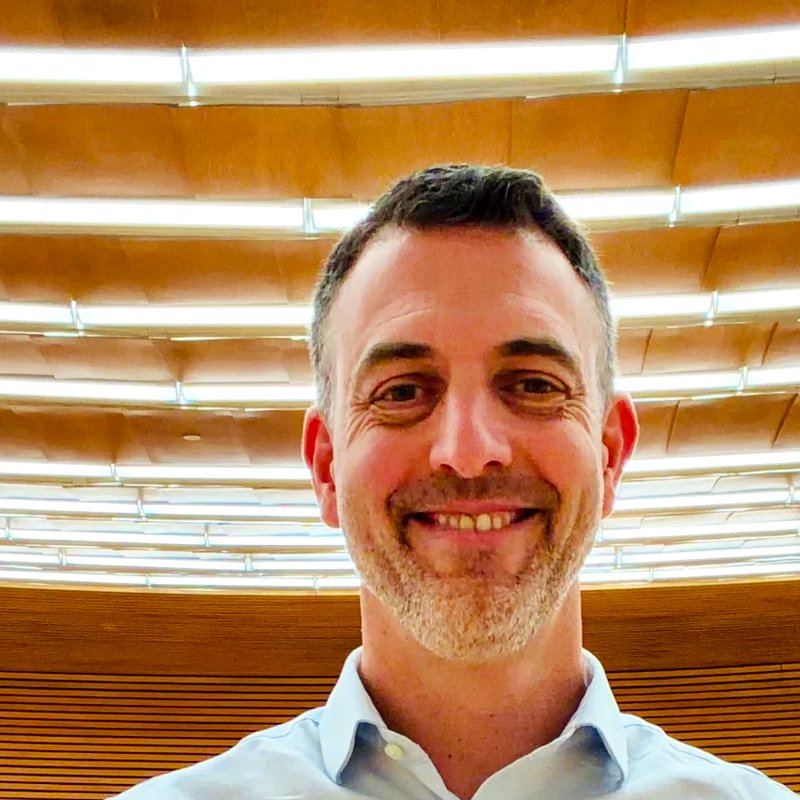
Recently I spent a day as a "book" at a Living Library at a Swiss university of applied sciences. People could ask me almost anything about ADHD. A bit like a blind date or speed dating — just different.
A book you're allowed to question
No diagnostic criteria, no lengthy explanations — I can do that too, but that wasn't the point. Instead: direct, basic questions I myself never arrive at, because in my own head everything is simply "normal."
For example: what learning strategies I had as a child. Honestly, I had none — I only figured that out during my studies. Or: who I could talk to about it as a teenager. The honest answer: no one.
Questions I would never have thought of myself
That's exactly the effect of a format like this: the questions don't come from a textbook, but from genuine curiosity. They're often simpler than you'd think — and precisely for that reason harder to answer, because you've never had to think about them yourself. What's "normal" for you has to be translated first, before it becomes graspable for someone else.
Why it moved me
In the closing round, I was asked for feedback. I had to say: I was genuinely moved. For a long time I thought either nobody's interested, or it's annoying, or people won't believe me anyway. The only people who ever found me okay just as I am were my closest circle — family, close friends. That day, strangers listened to me, asked real questions, just like that.
Care, in a small way
The motto of the event was caring for people and the environment, on both a large and a small scale. That's exactly what this was, on a small scale: a few hours in which honest questions were allowed, without anyone having to judge. I don't always understand the majority either — it's not about one side fully understanding the other, but about both sides moving toward each other.
What this has to do with my work
In a way, this is partly what I also do professionally: not explaining diagnoses, but creating spaces where questions are allowed before misunderstandings take hold. In organizations, often the opposite happens — people avoid uncertainty, out of politeness or unease, and that's exactly how misunderstandings solidify instead of resolving.
15 to 20 percent of the workforce is neurodivergent — ADHD, autism, dyslexia. Most standard processes aren't built for that reality. A format like a Living Library doesn't fix that structurally, but it shows something more important: how much changes once questions are simply allowed to be asked.
How does your organization approach neurodiversity?
30 minutes, no sales pitch. You tell me how it looks where you are. I listen, then straight talk.